Mammal symbolism explores the spiritual meanings, signs, folklore and modern symbolic interpretations associated with mammals. Across cultures, mammals have often been used to express ideas about instinct, family, protection, courage, adaptability, endurance and the relationship between humans and the natural world.
This hub organizes Templum Dianae’s mammal guides without creating unnecessary taxonomic sub-hubs. The three established specialist hubs—canines, felines and water mammals—remain the main secondary navigation points. Other mammals are linked directly from this page.
Explore Mammal Symbolism
Start with the established mammal groups:
- Canine Symbolism — wolves, foxes, coyotes, dogs and related canids.
- Feline Symbolism — cats, lions, tigers, panthers and other wild felines.
- Water Mammal Symbolism — whales, dolphins, otters, seals, sea lions, walruses and other aquatic mammals.
Canines and Felines
The dedicated canine and feline hubs contain the detailed family-level navigation. Major guides include Wolf, Fox, Coyote, Dog, Cat, Lion, Tiger and Panther.
Bears
Bear symbolism commonly draws on themes of strength, seasonal rhythms, protection, solitude and maternal care. Explore:
Primates
Primate symbolism is often connected with intelligence, social relationships, communication, learning and the tension between individuality and group life. Explore:
Hoofed Mammals
Rather than creating a separate “Ungulates” hub, these animals remain directly within Mammal Symbolism. Their meanings frequently involve endurance, movement, abundance, herd relationships, fertility, strength and landscape awareness.
Deer ·
Elk ·
Reindeer ·
Moose ·
Antelope ·
Camel ·
Horse ·
Donkey ·
Cow ·
Bull ·
Ox ·
Sheep ·
Ram ·
Bison ·
Buffalo ·
Zebra ·
Rhinoceros ·
Boar
Rodents and Lagomorphs
These pages remain directly under the Mammal cluster rather than forming a separate hub. Their symbolism frequently involves preparation, resource management, alertness, fertility, engineering and adaptation.
Rabbit ·
Hare ·
Rat ·
Squirrel ·
Chipmunk ·
Beaver ·
Capybara
Other Wild Mammals
This section contains mammals that do not need another artificial sub-hub. Each guide links back here and uses the Mammal Symbolism taxonomy.
- Elephant — memory, family, social intelligence and grounded strength.
- Bat — navigation through darkness, adaptation and sensory intelligence.
- Sloth — energy conservation, pacing and adaptation.
- Raccoon — dexterity, curiosity and resourcefulness.
- Skunk — warning, boundaries and deterrence.
- Armadillo — protection, flexible armor and secure retreat.
- Badger — persistence, digging, home and territorial confidence.
- Hedgehog — sensitivity, boundaries and selective protection.
- Mole — hidden work, foundations and close-range perception.
- Hyena — resilience, social intelligence and reputation.
- Meerkat — vigilance, teamwork and shared responsibility.
- Mongoose — precision, courage and rapid adaptation.
- Weasel — agility, focus and concentrated capability.
- Ferret — curiosity, exploration and finding what is hidden.
- Pangolin — protection, vulnerability and adaptive boundaries.
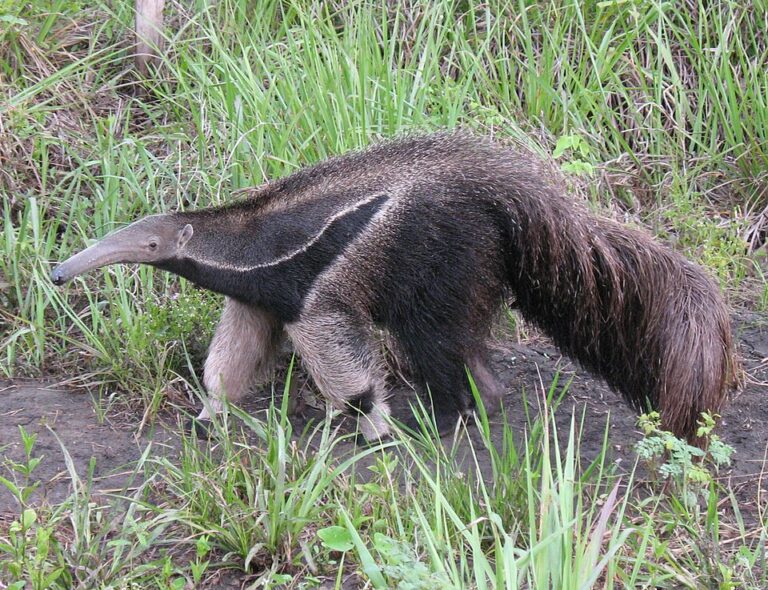
- Anteater — specialization, patience and selective strength.
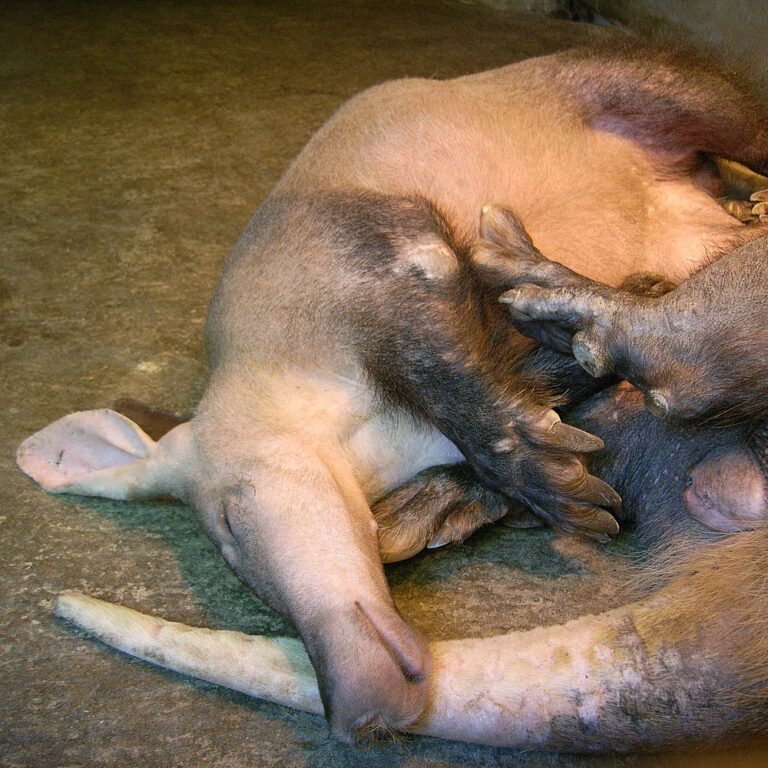
- Aardvark — hidden work, burrows, foundations and ecological legacy.
Water Mammals
For aquatic and semi-aquatic mammals, use the dedicated Water Mammal Symbolism hub. It connects guides including Whale, Dolphin, Otter, Seal, Sea Lion and Walrus.
How to Interpret Mammal Spiritual Meaning
Mammal symbolism becomes more reliable when three layers remain distinct. First comes zoology: what does the species actually do? Second comes documented cultural history: which specific traditions, texts or communities attached meanings to the animal? Third comes modern spiritual interpretation, where behavior and cultural imagery are used reflectively.
A sighting does not automatically become a supernatural message. Habitat, season, feeding behavior, reproduction and human activity usually explain why an animal appears where it does. Symbolic meaning becomes useful after those explanations are respected, not instead of them.
The same principle applies to terms such as spirit animal, totem and power animal. These terms come from different historical and cultural contexts and should not be collapsed into one universal tradition. Templum Dianae uses them carefully while separating documented traditions from contemporary symbolic interpretation.
References
- University of California Museum of Paleontology, Mammalia: https://ucmp.berkeley.edu/mammal/mammal.html
- Animal Diversity Web, University of Michigan, Mammalia: https://animaldiversity.org/accounts/Mammalia/
- American Society of Mammalogists, Mammal Diversity Database: https://www.mammaldiversity.org/